
What it really costs to heat a pool: heat pump running costs by city, plus gas and solar
Heating stretches your swimming season: the industry body SPASA says solar heating alone can add up to four months of pool use, and that extra family time is the whole point. It also adds a running cost. This guide works out what heating costs to run in Brisbane, Adelaide, Melbourne and Perth, using 2026-27 regulated electricity tariffs and real manufacturer specifications, and shows the working so you can swap in your own numbers before you decide whether to heat at all.
Pool heating costs at a glance: what each system costs up front and to run
Heating cost comes down to which system you choose, how many hours it runs and whether the pool is covered. The three common systems charge you in different ways: a heat pump uses electricity, a gas heater burns gas, and solar mainly costs you the electricity for its pump. We could not find a dated Australian price guide that publishes supply-and-install prices for all three, so this guide does not quote install figures. Ask for an itemised quote that separates the heater, plumbing, electrical or gas connection and any roof work.
| System | What drives the upfront price | What you pay to run it | Example used in this guide |
|---|---|---|---|
| Heat pump | Unit size, electrical connection by a licensed electrician, plumbing | Electricity at your tariff | Henden Essential 13 kW: rated input up to 1.78 kW at 15 degrees air |
| Gas heater | Unit size, gas line and connection (see the licensing FAQ below), flue | Gas at your tariff | Raypak 200: 196 MJ per hour natural gas input, 44 kW output |
| Solar | Collector area (SPASA recommends at least 80% of pool surface area), roof access, often a dedicated pump | Electricity for the pump | No single unit: sized to your pool and roof |
Season heating cost in Brisbane, Adelaide, Melbourne and Perth
Running the example heat pump at 15 degrees air, at the top of its inverter range (1.78 kW), costs about 49 to 75 cents an hour across the four cities, which works out to roughly $175 to $269 for a 360-hour season and $351 to $537 for a 720-hour season. Adelaide is the most expensive per hour because South Australia's default tariff is the highest of the four. The table uses each city's 2026-27 default or regulated flat tariff. The AER and Victorian Default Offer figures include GST.
| City | Flat tariff used (2026-27) | Per running hour | 360 hours (2 hours a day, 6 months) | 720 hours (4 hours a day, 6 months) |
|---|---|---|---|---|
| Brisbane | 27.9744 c/kWh (AER default market offer, Energex) | $0.50 | $179 | $359 |
| Adelaide | 41.9103 c/kWh (AER default market offer, SA Power Networks) | $0.75 | $269 | $537 |
| Melbourne | 27.35 c/kWh (Victorian Default Offer, United Energy) | $0.49 | $175 | $351 |
| Perth | 33.2621 c/kWh (WA Government A1 residential tariff) | $0.59 | $213 | $426 |
These are worked examples, not predictions. A cooler city usually needs more hours: the Bureau of Meteorology's mean maximum for April is 27.2 degrees in Brisbane but 20.9 degrees at Melbourne's Olympic Park. In three of Melbourne's other distribution zones (CitiPower, Jemena, Powercor), the 720-hour figure ranges from about $333 to $362.
How the numbers were worked out: tariff, hours, set temperature and cover
Each figure is the heater's power draw multiplied by your electricity price and by the hours it runs. Change any one of those inputs and the bill changes in proportion, so here is each step with its source.
- Tariff. Brisbane and Adelaide use the Australian Energy Regulator's 2026-27 default market offer, a price cap on standing offers that includes GST. Melbourne uses the Essential Services Commission's Victorian Default Offer, which runs from 1 July 2026 to 30 June 2027. Perth uses the WA Government's A1 residential tariff, current from 1 July 2026. In Brisbane, Adelaide and Melbourne a market offer may be cheaper, so check your own bill. In Perth, the A1 tariff is the regulated price.
- Power draw. The Henden Essential 13 kW manual lists an inverter input range of 0.47 to 1.78 kW at 15 degrees air, and we used the top of that range. The same manual's specification table lists a rated heating input of 2.50 kW for this model, so an hour at that draw would cost about 40% more than the figures shown.
- Hours. 360 and 720 hours are illustrations. Your hours depend on climate, pool size and cover use.
- Set temperature. As a reference point, NSW BASIX guidance recommends setting pool thermostats at 20 to 24 degrees, with a maximum of 26. Every extra degree means more running hours.
- Gas. Multiply 196 MJ per hour by the c/MJ rate on your gas bill. Each 1 cent per MJ adds $1.96 per running hour.
Covers: yes, they keep a pool warmer, but a tarp is not the same thing
Yes, a well-fitted pool cover keeps a pool warmer, and published figures show it can cut heating energy by half or more. The published figures below are for pool covers made for the job. None of the sources we checked tested a tarp, so it gives no measured heat saving.
| Source | What it says about covers |
|---|---|
| energy.gov.au (Australian Government) | Bubble covers can cut heat losses from a heated pool by as much as 75%; translucent bubble covers can warm a pool by as much as 7 degrees |
| Town of East Fremantle (WA) fact sheet | A cover can cut heating energy costs by 50 to 70% and prevent up to 97% of evaporation |
| Henden heat pump manual | A thermal cover should be on the pool while the heat pump runs; sizing figures assume a covered pool |
| SPASA (industry body) | A pool blanket increases the benefit of solar heating |
Whichever heater you choose, budget for a cover and a roller that make it easy to use every day.
The downsides of each system, including heat pumps
Every system has trade-offs. A heat pump draws 0.47 to 1.78 kW at 15 degrees air (the example unit's inverter range), but its heat output drops in cold air. The example gas heater is rated at 44 kW of heat output, against 12.5 kW for the 13 kW heat pump at 26 degrees air and 8.5 kW at 15 degrees air, so it can heat faster, but it burns 196 MJ of gas every hour it runs. Solar costs little to run but depends on your roof and the weather.
Heat pump
The manufacturer says efficiency and output depend on air temperature and humidity, with ideal performance between 15 and 25 degrees air. In colder months the unit can frost up and pause heating while it defrosts. The manual also warns against installing it near bedrooms or living rooms where its noise would bother you or the neighbours. In Victoria, EPA rules say a pool pump must not be heard in a neighbour's home before 7 am or after 10 pm on weekdays, or before 9 am or after 10 pm on weekends and public holidays. EPA Victoria's rules do not name pool heat pumps, so check with your council or EPA Victoria which times apply to one.
Gas
The example gas heater burns 196 MJ every hour it runs. In Victoria, connecting it is licensed work: Energy Safe Victoria says only a licensed or registered gasfitter may do gasfitting. In other states, check with your gas regulator. Ask the installer what servicing the manufacturer recommends and what it costs.
Solar
SPASA says collectors should ideally sit on a north-facing roof, and another direction can work if the collector area is increased. They also need to stay out of shade for at least six hours a day. Most systems need about 100 to 200 litres per minute of flow, which usually means a dedicated pump.
Heating an above-ground or plunge pool: less water, smaller numbers
A smaller pool needs less heat, so it can use a smaller heater and fewer running hours. Raypak's sizing guide shows how much surface area matters. With a cover on, its 200 model raises a 20 square metre pool by about 21 degrees over 24 hours, but a 100 square metre pool by only about 6 degrees. The guide assumes an outdoor install, 1.3 metre depth and light wind.
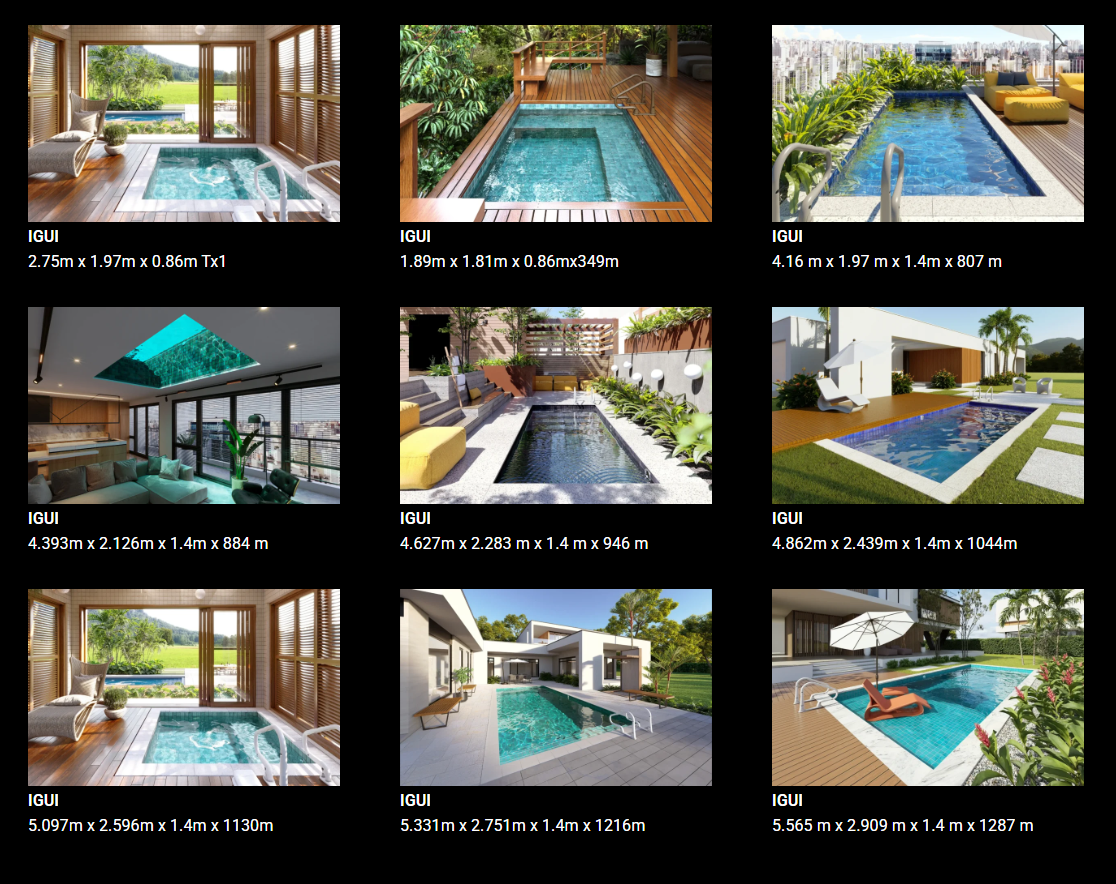
That makes a compact pool a sensible way to start: for the same temperature rise, a smaller above-ground or plunge pool with a cover needs a smaller heater or fewer hours. Running costs scale with surface area and hours rather than the pool's label, so ask any builder to size the heater to your actual pool and show the expected running hours. You can browse local options for Brisbane, Adelaide, Melbourne and Perth, and see what add-ons are available on our pool accessories page.
Who should not heat yet, or should start with a cover
Heating is optional. Skipping or delaying a heater is a reasonable choice in these situations:
- You mostly swim from December to March in Brisbane or Perth, where mean maximums stay above 23 degrees in October and April.
- The household budget has no room for a new running cost that could be several hundred dollars a season.
- You will not use a cover every day. Without one, much of the heat you pay for is lost.
- You rent or may sell soon, since a heater adds upfront cost and you may not stay long enough to use it.
- Your roof is shaded for most of the day, which is the real limit for solar, since SPASA says collectors need at least six hours a day out of shade. A roof facing away from north is less of a problem: it needs more collector area. If gas or heat pump hours would also be long in your climate, a cover may be the better first step.
Start with a cover for one season, track your swimming, and then price a heater with real numbers in hand.
Frequently asked questions
Is a heat pump cheaper to run than gas for a pool?
Compare them on your own bills. At 15 degrees air, top of its inverter range, the example heat pump draws 1.78 kW, about 49 to 75 cents an hour on 2026-27 default or regulated tariffs in our four cities. The example gas heater burns 196 MJ an hour, so each 1 cent per MJ costs $1.96 an hour. The gas unit puts out more heat per hour, so compare the cost of a full heat-up rather than one hour. energy.gov.au suggests gas users consider solar or a heat pump.
How long does it take to heat a pool?
It depends on heater output, pool surface area and whether the pool is covered. Raypak's guide lists its 200 gas model raising a covered 40 square metre pool by about 15 degrees over 24 hours, at 1.3 metre depth and in light wind. That full day uses about 4,704 MJ of gas, so each 1 cent per MJ costs about $47. A heater with a smaller output takes longer to deliver the same heat.
Can I run a pool heat pump from rooftop solar?
Partly, if you run it in the middle of the day. energy.gov.au lists pool pumps among loads worth moving to the middle of the day to use excess solar. In South East Queensland and South Australia, the AER's opt-in Solar Sharer Offer gives smart meter customers three free hours at midday, with usage above 24 kWh charged. Three hours of the example heat pump at 15 degrees air, top of the inverter range, is about 5.3 kWh. Check your retailer's terms first.
Does a gas pool heater need a licensed gas fitter?
In Victoria, yes. Energy Safe Victoria says it is illegal for unlicensed people to do gasfitting or electrical work, and homeowners must use a licensed or registered gasfitter. Elsewhere, check your state's gas regulator before booking anyone. Hard-wired heat pumps such as the example unit need a licensed electrician: its manual says so, Queensland's Electrical Safety Office says hard-wired appliances must be connected by one, and Western Australian law requires all electrical work to be done by a licence holder. In other states, check your electrical regulator as well.
Is it worth heating a pool in Brisbane or Perth?
Often a cover is enough in the warmer months. Bureau of Meteorology mean maximums for April are 27.2 degrees in Brisbane and 25.9 degrees in Perth, compared with 20.9 degrees in Melbourne. Heating mainly stretches the shoulder seasons and winter. If your family wants to swim from autumn into spring, the four-city table shows what a heat pump might cost to run. Get a quote for your own pool before deciding.
Can fibreglass pools be heated?
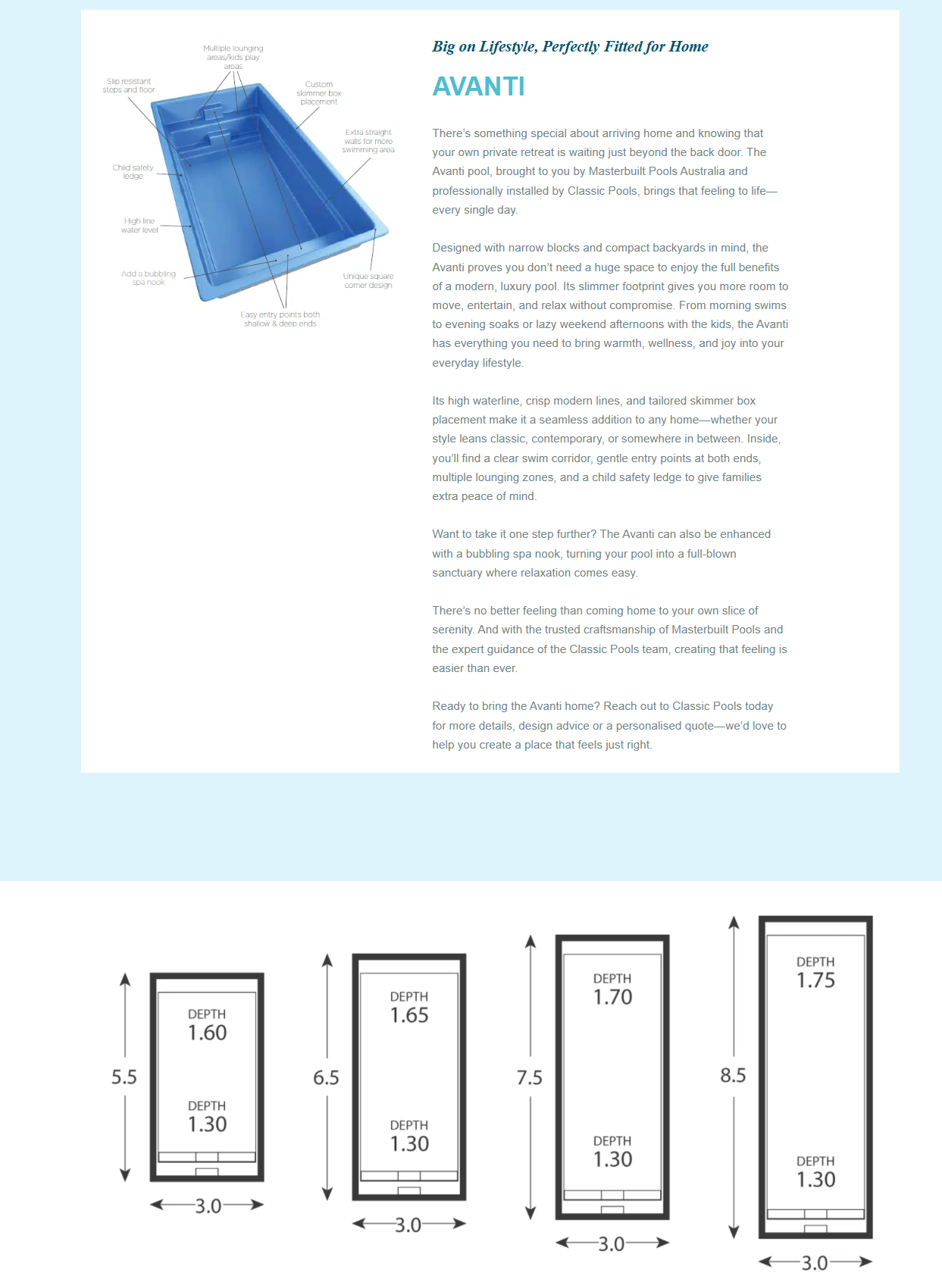
The sizing guides we checked from Henden, Raypak and SPASA size heaters by pool volume or surface area, and none of them sets a separate rule for fibreglass. Before you buy, ask your builder to confirm the shell manufacturer's maximum water temperature and how the heater plumbing connects, and get both answers in writing with your quote.
Next steps
To compare how solar, heat pumps and gas work before you price them, read our guide to pool heating options, and see heating alongside pumps, chemicals and water in pool running costs. When you are ready for real numbers on your own roof and pool, see solar heating for pools or ask for an itemised quote that separates the heater, connection work and cover.
Sources
- Default market offer prices 2026-27: Final determination, Australian Energy Regulator, https://www.aer.gov.au/system/files/2026-05/AER%20-%20Final%20determination%20-%20Default%20market%20offer%202026%E2%80%9327.pdf, accessed 4 November 2026
- Victorian Default Offer, Essential Services Commission, https://www.esc.vic.gov.au/electricity-and-gas/prices-tariffs-and-benchmarks/victorian-default-offer, accessed 4 November 2026
- Household electricity pricing, Energy Policy WA, Government of Western Australia, https://www.wa.gov.au/organisation/energy-policy-wa/household-electricity-pricing, accessed 4 November 2026
- Installation and Owner's Manual, Henden Essential Inverter Heat Pump, Reece, https://digitalassets.reecegroup.com.au/m/19a7737dffac200d/original/Installation-Owner-s-Manual-Henden-Essential-Inverter-Heat-Pump.pdf, accessed 4 November 2026
- Raypak Residential and Premium Pool and Spa Gas Heaters, Rheem Thermal, https://rheemthermal.com.au/wp-content/uploads/2025/12/Raypak-Residential-Premium-Pool-Spa-Gas-Heaters.pdf, accessed 4 November 2026
- Solar Pool Heating, Swimming Pool and Spa Association (SPASA), https://www.spasa.com.au/members-and-industry/pool-and-spa-owners/faqs-tips-and-tricks/solar-pool-heating, accessed 4 November 2026
- Outdoor living guide, energy.gov.au, https://www.energy.gov.au/households/household-guides/outdoor-living-guide, accessed 4 November 2026
- Reduce your energy bills, energy.gov.au, https://www.energy.gov.au/households/household-guides/reduce-energy-bills, accessed 4 November 2026
- Pool and Spa Cover Policy fact sheet, Town of East Fremantle, https://www.eastfremantle.wa.gov.au/Profiles/eastfremantle/Assets/ClientData/Pool_Cover_Policy_Fact_Sheet_.pdf, accessed 4 November 2026
- BASIX Pools and Spas: Heating, NSW Planning Portal, https://www.planningportal.nsw.gov.au/basix-energy/pools-and-spas/heating, accessed 4 November 2026
- Climate statistics: Brisbane (040913), Bureau of Meteorology, https://www.bom.gov.au/climate/averages/tables/cw_040913.shtml, accessed 4 November 2026
- Climate statistics: Adelaide (Kent Town) (023090), Bureau of Meteorology, https://www.bom.gov.au/climate/averages/tables/cw_023090.shtml, accessed 4 November 2026
- Climate statistics: Melbourne (Olympic Park) (086338), Bureau of Meteorology, https://www.bom.gov.au/climate/averages/tables/cw_086338.shtml, accessed 4 November 2026
- Climate statistics: Perth Metro (009225), Bureau of Meteorology, https://www.bom.gov.au/climate/averages/tables/cw_009225.shtml, accessed 4 November 2026
- Using gas safely, Energy Safe Victoria, https://www.energysafe.vic.gov.au/community-safety/energy-safety-guides/home-safety/using-gas-safely, accessed 4 November 2026
- DDIY: Don't Do It Yourself, Electrical Safety Office Queensland, https://www.electricalsafety.qld.gov.au/ddiy, accessed 4 November 2026
- Having electrical work done, Building and Energy, Government of Western Australia, https://www.wa.gov.au/system/files/2024-10/having_electrical_work_done_brochure.pdf, accessed 4 November 2026
- Residential noise, EPA Victoria, https://www.epa.vic.gov.au/residential-noise, accessed 4 November 2026